Introduction
In the stress of day-to-day live, the kitchen area commonly ends up being the heart of our homes. It's where we produce scrumptious meals, share family minutes, and in some cases, it's where crashes happen. Cooking area safety and security is a crucial aspect of preserving a healthy atmosphere for ourselves and those we appreciate. Recognizing how to take care of common injuries, particularly knife cuts, can make a significant distinction in our wellness. This post delves deep into kitchen security while focusing on effective first aid for common knife cuts and injuries.
Kitchen Safety and security: Effective Emergency Treatment for Common Knife Cuts and Injuries
Knife-related injuries are amongst one of the most typical mishaps in kitchen areas. Whether slicing veggies or carving meat, one slip can bring about cuts that need immediate interest. Understanding exactly how to treat these injuries properly not only lowers pain yet likewise prevents additional complications.
Understanding Kitchen area Knife Cuts
What Are Common Kinds of Knife Cuts?
When we speak about blade cuts in the kitchen area, a number of kinds come to mind:
Superficial Cuts: These are small surface cuts that usually do not bleed much. Deep Cuts: These permeate deeper skin layers and might need stitches. Lacerations: Jagged cuts that can be rather severe. Puncture Wounds: Caused by sharp points that penetrate deeper without broad tearing.Understanding these kinds assists in analyzing the seriousness of an injury and deciding on ideal first aid measures.
The Function of First Aid in Cooking Area Safety
Why Is First Help Important?
First aid works as the frontline feedback in emergencies. It plays a vital role in community health and wellness by guaranteeing prompt treatment is provided prior to expert medical assistance arrives. Knowing fundamental emergency treatment techniques can encourage individuals to act quickly and successfully during cooking area mishaps.


Founding of St John Rescue and Its Influence On First Aid Awareness
St John Ambulance has been essential in promoting emergency treatment knowledge across communities worldwide. Established with an objective to educate individuals in lifesaving methods, their programs have actually considerably raised public understanding concerning first aid methods, particularly during emergencies like kitchen accidents.
Essential House Items for Emergency Treatment in the Kitchen
To ensure timely action throughout an injury, having necessary household products easily offered is important:
- Band-aids Sterile gauze pads Antiseptic wipes Adhesive tape Scissors Instant cold packs
By maintaining these items organized in a portable package, you can act promptly when required.
First Steps After Sustaining a Knife Cut
What Should You Do Instantly After a Cut?
Stay Calm: Panic can intensify the situation. Clean Your Hands: Laundry your hands completely with soap before touching the wound. Apply Direct Pressure: Utilize a clean cloth or plaster to use stress to quit bleeding. Elevate the Cut Area: Preferably, boost the injured part over heart level.These steps are essential first aid procedures that can reduce injury View website severity.
Deep Cuts vs Shallow Cuts
How Can You Differentiate In Between Them?
- Superficial cuts will usually hemorrhage lightly; they may sting yet will not be exceedingly painful. Deep cuts will certainly commonly hemorrhage even more profusely and may subject underlying tissues or fat.
Recognizing these distinctions is essential for figuring out whether you require specialist medical support or if you can handle it at home.
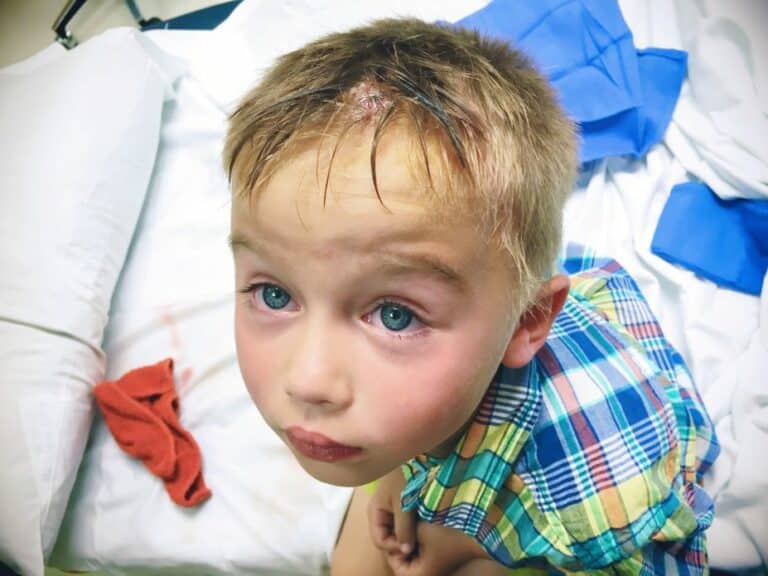
Treating Minor Injuries on Yourself
What Methods Can Be Used?
For small injuries such as superficial cuts:
Clean the wound with water and light soap. Apply antiseptic ointment. Cover it with a sterilized plaster to maintain dirt out. Monitor for indicators of infection (soreness, swelling).
Understanding When to Look for Clinical Help
How Do You Know It's Serious?
If you experience any of the following signs and symptoms after a blade cut:
- Persistent bleeding after 10 mins of using pressure Signs of infection (raised redness or pus) A cut deeper than half an inch
These signs recommend it's time to look for specialist clinical help promptly.
Importance of Fire Extinguisher Procedure in the Kitchen
Why Must You Be Prepared?
Fires can emerge unexpectedly while cooking-- knowing exactly how to operate a fire extinguisher is important for cooking area security:
Pull the pin. Aim at the base of the fire. Squeeze the deal with gradually. Sweep side-to-side till extinguished.Being prepared can conserve lives!
Fall Avoidance Tips in The Kitchen
How Can Loss Be Prevented While Cooking?
Keep floorings completely dry and clutter-free. Use non-slip floor coverings near sinks or areas prone to spills. Store often used things available to prevent stressing or overreaching.By executing these strategies, you decrease risks associated with drops in hectic kitchen environments.
Recognising Pet Distress During Cooking Activities
What Needs to You Look For?
Pets frequently wander freely around cooking areas while cooking-- this increases their threat for unintentional damage:
Observe body movement-- are they panting heavily? Check if they're trying to get away from loud sounds (e.g., pots clanging).Understanding pet dog distress signals aids keep both animals and people secure during dish prep work times.
Gaining Approval in Different Communities Regarding First Aid Training
Why Is This Important?
Cultural level of sensitivities play an essential role when reviewing health subjects like first aid training within areas:
Understand local custom-mades before introducing first aid programs. Involve neighborhood leaders when planning recognition campaigns.This method promotes trust and motivates broader participation in important training sessions.
Frequently Asked Questions (Frequently asked questions)
1) What must I do if my blade cut begins bleeding heavily?
If your blade reduced bleeds heavily:
- Apply straight pressure utilizing a clean towel up until it stops bleeding (around 10 mins). Elevate the location over heart level if possible. If bleeding persists yet point, seek clinical help immediately.
2) When must I see a doctor for my cut?
You must see a doctor if:
- The cut is deep or vast, Bleeding does not stop after 10 mins, There are indicators of infection like inflammation or swelling showing up later on.
3) Can I utilize routine family items as substitutes for first-aid supplies?
While some family items may supply temporary relief (like clean cloths), it's best method to use sterile gauze and antiseptics particularly made for injuries to stop infections effectively.
4) What is a perfect mobile package for kitchen area safety?
A perfect portable kit includes:
- Band-aids, Sterile gauze pads, Antiseptic wipes, Adhesive tape, Scissors, and instantaneous cold packs-- whatever needed for quick response throughout minor injuries!
5) Exactly how do I understand if my child needs stitches from a blade cut?
Parents ought to consult their doctor if:
- The cut is deep sufficient that you can't see its base, Blood continues moving in spite of applied pressure, or there's visible muscle/tissue revealed via the wound.
6) Just how typically ought to I upgrade my first-aid supplies?
Regularly inspect your products every six months; change run out items immediately! Keeping them stocked guarantees preparedness throughout emergencies at any type of moment!
Conclusion
Kitchen safety and security is vital not just for protecting against crashes however additionally for making sure correct administration when they happen-- specifically worrying knife-related injuries! By outfitting yourself with understanding regarding typical cuts along with efficient first-aid methods tailored towards them boosts area wellness campaigns overall! Remember: being prepared keeps every person much safer while involving happily within our cherished kitchens!
Incorporating insights from companies like St John Rescue highlights this commitment in the direction of increasing recognition with Click here useful education and learning-- ultimately leading us in the direction of healthier living environments focused on precaution proactively deployed each day!
With expertise comes power-- the capacity not just secure ourselves yet also those around us making kitchen areas real places full of love rather than accidents!
First Aid Pro is one of Sydney’s leading providers of accredited CPR and first aid courses. Established in 2012, our nationally registered training organisation (RTO) has equipped over 2.6 million Australians with essential life-saving skills through our experienced team of over 110 expert trainers. Conveniently located in the heart of Sydney at Chambers Arcade Level 15, Suite 1501/370 Pitt Street, Sydney NSW 2000, we offer top-quality, nationally accredited CPR and first aid training sessions tailored to your needs—whether for workplace requirements, career advancement, or personal safety. From childcare-specific first aid to advanced first aid and resuscitation, we’ve got you covered! Secure your Sydney first aid course or CPR training with us and build the confidence to handle emergencies with a trusted Sydney first aid provider. Take the first step towards becoming a skilled and capable first aider with First Aid Pro today! Call today on 08 7120 2570.